Legislators, Regulators, and Lawyers, Oh My! Legislative and Legal Trends Impacting Charter Schools
Legislators, Regulators, and Lawyers, Oh My! Legislative and Legal Trends Impacting Charter Schools
,
BCEC, Meeting Room 151AB
Heather Harris (Barnes & Thornburg) highlights emerging trends from the 2024 legislative sessions that may impact charter schools. She emphasizes key regulatory decisions across states, provides insights into future legislative initiatives, and encourages involvement with state legislatures and charter school advocacy efforts. Paul O'Neill (Barton Gilman) leads a discussion of new Title IX regulations affecting gender issues in schools. They also discuss recent court cases seeking to redefine charters as private schools and student discipline policies related to social media use. Eugene Clark-Herrera (Orrick) leads an interactive crash course on facilities financing and strategy. The session covers organizational governance, credit characteristics, financial benchmarks, academic performance indicators, project scope, cost considerations, and practical financing approaches. These insights combine to provide a comprehensive legislative and legal overview for educators, policymakers, and advocates in the charter school community.
Facilitated Discussions
Operate
The Changing Landscape of Education
Participants will learn what legislative trends are impacting legal issues affecting charters, and what expected future legislative initiatives for the 2025 legislative state sessions could impact charter schools.
Participants will understand challenges from the revised Title IX regulations and its impact on their school, including the potential consequences of the push to redefine charters as private schools and how to use school discipline policies and practices to control student discipline and social media.
Participants will learn how best to position their organization to access permanent facilities, and to map their facilities’ needs for growth by understanding topics like organizational governance, credit characteristics, financial benchmarks, academic performance indicators, right-sizing project scope and cost, and the practical considerations in undertaking facilities financing.
Scroll down to view handouts.
Presenters
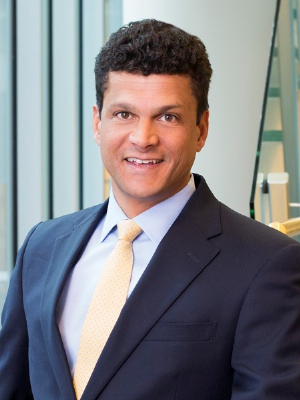
Partner
Orrick Herrington & Sutcliffe, LLP
Eugene Clark-Herrera, a partner in Orrick’s San Francisco office, focuses his practice on financing for school and college facilities, as well as city and county facilities and infrastructure. His practice includes serving as bond and disclosure counsel on revenue and tax-supported bond financing involving counties, cities, school and college districts, charter schools, airports, and student and multi-family housing projects.
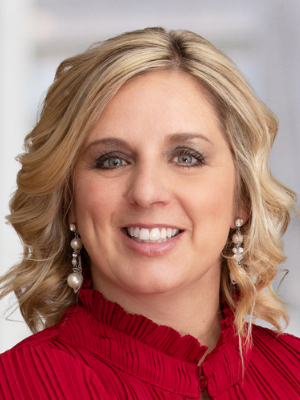
Partner
Barnes & Thornburg LLP
Heather Chairs the firm's Charter School and School Innovation group. She advises on education reform, including innovation network agreements with public school districts, charter school application development, nonprofit application assistance, the development of governing documents and bylaws, and implementation of and accountability to charter school authorizers. Heather has been intimately involved in the charter school and school reform movements since the inception of the laws in Indiana in 2001. In addition, Heather works with education service providers and schools to provide high-quality educational options to Indiana students and families. She serves as counsel to charter school boards and school leaders by providing guidance on educational questions, public access, school discipline and open records, business, finance and personal matters. She helps charter school authorizers develop application, review and accountability systems, and has worked with public and private school leaders and reform organizations to promote and seek assistance from state elected and administration officials for support of new school programs and opportunities for students and families. The firm also assists schools with labor and employment matters, facility financing, litigation and pre-litigation strategies, corporate and governance, compliance, data reporting and collection, insurance and cyber insurance matters, healthcare and benefits, trademark and IP matters, special education, authorizer compliance and many other areas.
Attorney
Barton Gilman
O’Neill, founder of Barton Gilman's New York office, is one of the nation’s foremost legal experts on education reform. Former roles include: General Counsel, SUNY Charter Schools Institute and multiple leadership roles at EdisonLearning. Paul lead efforts in New Orleans's post-Katrina revitalization of education. He is a Co-founder/Senior Fellow at the National Center for Learner Equity. An adjunct faculty at Columbia University’s Teachers College in education law and policy, he is also a prolific author. Education: J.D., UVA; M.Ed., Columbia University; B.A., Oberlin College. He is admitted to practice in NY.Paul O’Neill is one of the nation’s foremost experts on legal issues impacting education reform. Paul served as General Counsel of the SUNY Charter Schools Institute and represents schools and networks in private practice for Barton Gilman LLP. He is also President of Tugboat Education, which advises education organizations on school governance, board best practices, operational issues and policy. Paul serves as an Adjunct Professor at Columbia University’s Teachers College, where he teaches courses on education law and policy. He is the author of numerous books and articles on education law & school reform.
Handouts
Facilitated Discussions
Operate
The Changing Landscape of Education
Participants will learn what legislative trends are impacting legal issues affecting charters, and what expected future legislative initiatives for the 2025 legislative state sessions could impact charter schools.
Participants will understand challenges from the revised Title IX regulations and its impact on their school, including the potential consequences of the push to redefine charters as private schools and how to use school discipline policies and practices to control student discipline and social media.
Participants will learn how best to position their organization to access permanent facilities, and to map their facilities’ needs for growth by understanding topics like organizational governance, credit characteristics, financial benchmarks, academic performance indicators, right-sizing project scope and cost, and the practical considerations in undertaking facilities financing.
Scroll down to view handouts.