
Where Have All the Kids Gone?
Where Have All the Kids Gone?
,
BCEC, Meeting Room 204B
The school-aged population is declining in all but a handful of states. Even fast-growing states like Texas are losing school-aged populations, a decline that’s hitting urban communities served by charter schools especially hard. What do these demographic shifts mean for education reformers in a nation where hundreds of thousands of children are still in failing schools? Join us for a look at the trends in your community with our interactive mapping tool and a discussion with national thought leaders on the implications of these demographic shifts for charter school growth and sustainability.
Interactive Presentation
Lead
The Changing Landscape of Education
Participants will gain an understanding of national trends in school-aged populations and the underlying causes.
Participants will gain an understanding of how these broader trends are impacting local communities.
Participants will gain an understanding of the implications for charter school sustainability and growth.
Scroll down to view handouts.
Presenters
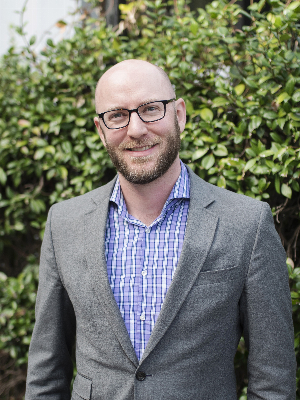
Partner
City Fund
Ethan Gray is a Partner with City Fund. He is the former founder and CEO of Education Cities, a national nonprofit that supported and advised city-based education organization on their efforts to grow great public schools. Ethan is an honors graduate of Harvard College and hold and MA from the Harvard Graduate School of Education. He lives in Bend, OR with his wife, son, and small adventure dog.

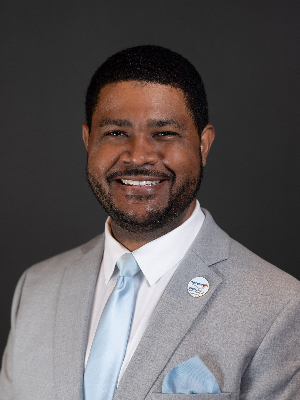
Partner
Bloomwell Group
Lyman Millard has been working to provide under-served families with better educational options for more than 25 years. Since launching Bloomwell Group in 2017, he has helped national funders, regional nonprofits, and local school leaders in 25 states and the District of Columbia serve more students and attract more teachers. Prior to starting Bloomwell Group, he served on the founding team of Breakthrough Public Schools, where he helped launch 10 high-performing charter schools in low income communities. Lyman lives in Cleveland, Ohio and is the proud dad of three charter school kids.
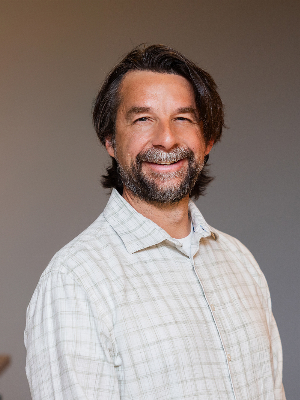
President & CEO
National Association of Charter School Authorizers
Karega Rausch is the President and CEO of the National Association of Charter School Authorizers (NACSA), responsible for ensuring NACSA advances and strengthens the ideas and practices of authorizing so that students and communities, especially those who are historically under resourced, thrive. He has extensive charter school authorizing, education research and policy, community engagement, and strategic advocacy experience. Before being appointed CEO at NACSA, Karega headed NACSA’s research initiatives, was a former Education & Charter Schools Director with the Indianapolis Mayor’s Office, the Board Chair of the Indiana Charter Schools Board, the Director of the Indianapolis affiliate of Stand for Children, and on the leadership team of Indiana University’s Equity Project, housed at the Center for Evaluation and Education Policy. Karega has authored or co-authored numerous professional publications and has presented at many research conferences across the country on charter school authorizing, racial/ethnic disproportionality in school discipline, and special education reform. Karega earned his Ph.D. and master’s degree in educational psychology from Indiana University in Bloomington, Indiana, and a bachelor’s degree in psychology from DePauw University in Greencastle, Indiana.
Senior Vice President of State Advocacy & Support
National Alliance
Todd Ziebarth is the Senior Vice President of State Advocacy and Support at the National Alliance for Public Charter Schools.
Interactive Presentation
Lead
The Changing Landscape of Education
Participants will gain an understanding of national trends in school-aged populations and the underlying causes.
Participants will gain an understanding of how these broader trends are impacting local communities.
Participants will gain an understanding of the implications for charter school sustainability and growth.
Scroll down to view handouts.